Property Tax, Stamp Duty and GST on Singapore Commercial Property
The full tax picture for buyers and owners — annual value assessments, BSD scales, and when GST applies to a purchase or lease.
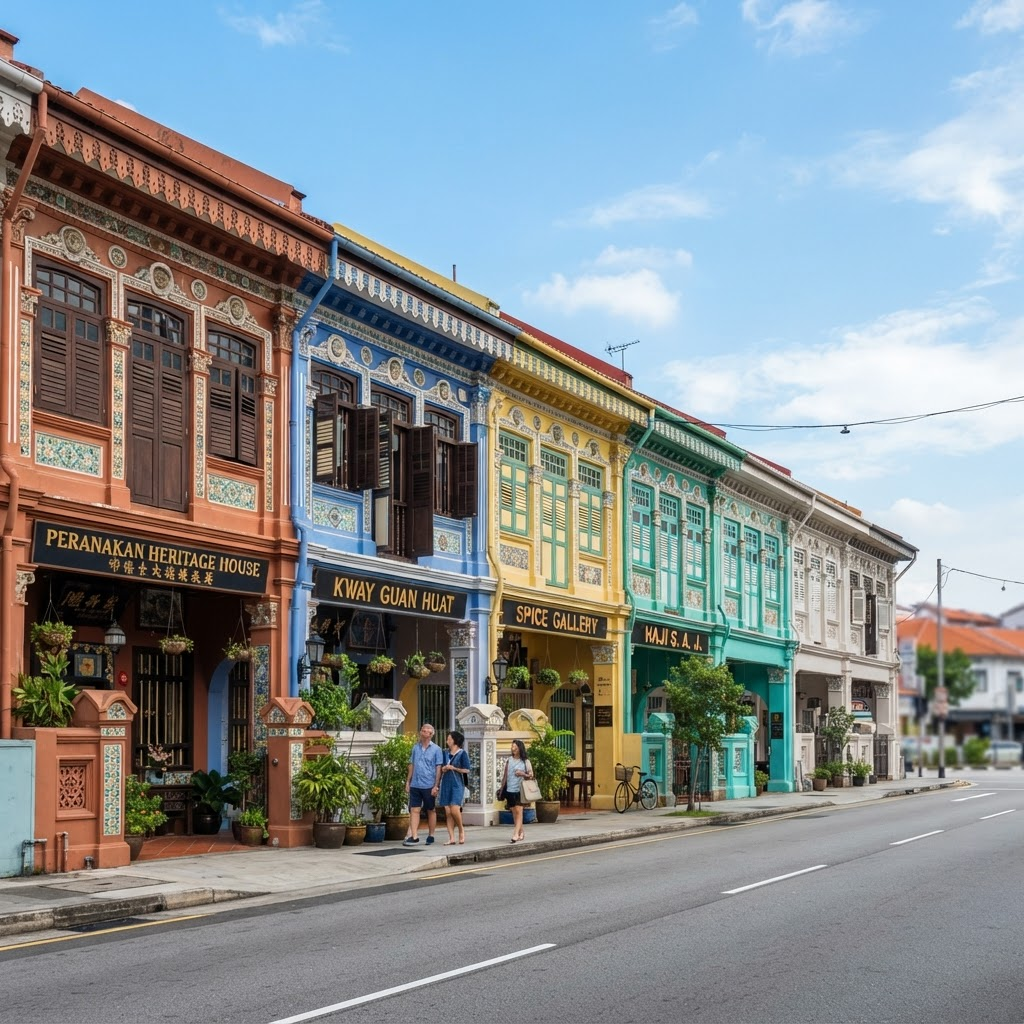
Commercial property in Singapore enjoys one decisive tax advantage over residential: no Additional Buyer’s Stamp Duty regardless of nationality or how many properties the buyer already owns. The taxes that do apply deserve careful planning nonetheless.
Buyer’s Stamp Duty on non-residential property is levied on a progressive scale rising to 5 percent on the value above S$1.5 million. Property tax is then charged annually at 10 percent of the annual value — the estimated market rent — for non-owner-occupied commercial premises.
GST is the item that surprises buyers most often. Where the seller is GST-registered, 9 percent GST applies to the purchase price; a GST-registered buyer can generally recover it as input tax, but cash-flow for the payment must be arranged, and non-registered buyers bear it as a real cost.
On exit, Singapore imposes no capital gains tax for investors, though gains from what IRAS regards as trading activity — rapid flips with financing patterns resembling a trade — can be assessed as income. Holding-period intent and documentation matter.
Have Questions About This Topic?
Speak with an advisor about anything covered in this article.