
The Complete Guide to Investing in Singapore Shophouses
Why conserved shophouses remain one of the most sought-after asset classes, and the zoning, tenure and financing details every buyer should verify.
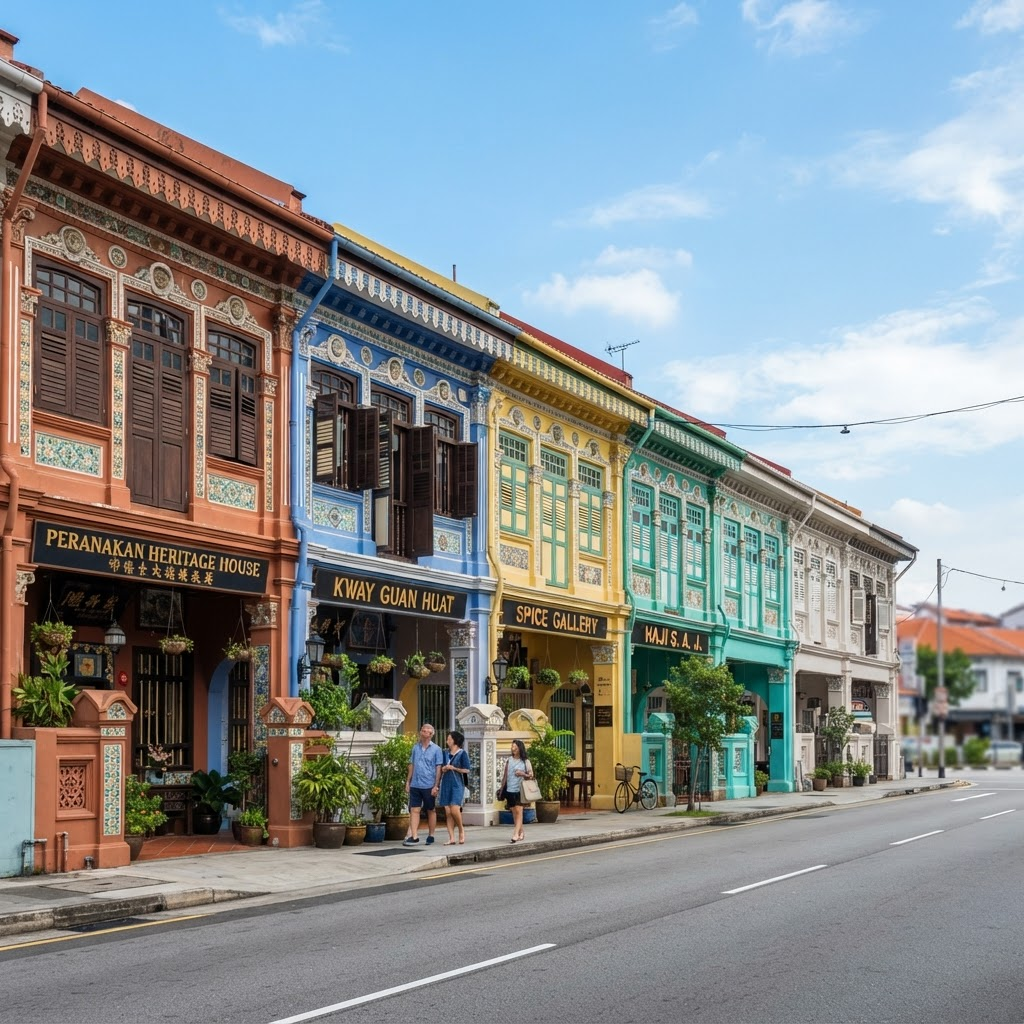
Conserved shophouses occupy a unique position in the Singapore property market: they are heritage-protected, in strictly limited supply, and — critically for foreign investors — commercial-zoned shophouses can generally be acquired without Additional Buyer’s Stamp Duty and without approval under the Residential Property Act.
The first check for any prospective buyer is zoning. A shophouse zoned "Commercial" can be fully used for approved commercial purposes, while units zoned "Residential with commercial at first storey" carry restrictions on the upper floors that materially affect both use and buyer eligibility.
Tenure is the second major driver of value. Freehold and 999-year leasehold shophouses in districts 1 and 2 trade at a significant premium to 99-year stock, and banks typically finance them more generously. Buyers should also budget realistically for conservation-compliant maintenance, which costs more than ordinary upkeep.
Rental demand for well-located shophouses remains broad — boutique offices, medical suites, food and beverage, and galleries all compete for space. A realistic underwriting model uses current passing rents rather than asking rents, and allows for downtime during any change-of-use application to URA.
Have Questions About This Topic?
Speak with an advisor about anything covered in this article.