
A Cross-Border Investor’s Guide to Singapore Commercial Real Estate
Ownership rules, financing for offshore buyers, holding structures and repatriation — what international investors need to know first.
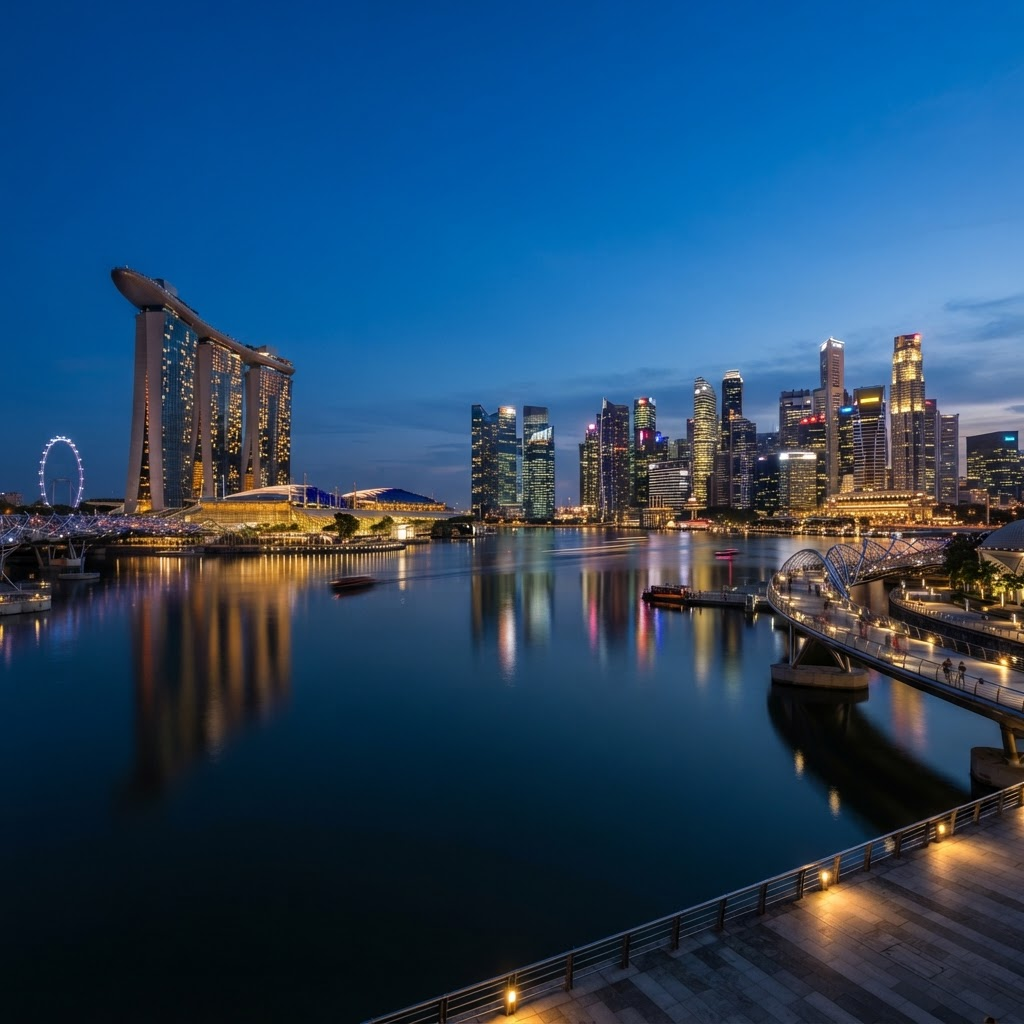
Singapore is one of the few global gateway cities where foreign investors can acquire commercial property with essentially the same rights as locals: no foreign-ownership approval for commercial-zoned assets, no ABSD, and a legal system in which title is state-guaranteed under the Torrens framework.
Financing is available to offshore buyers, though terms vary with the borrower’s profile. Singapore-incorporated holding companies with resident directors typically access better loan-to-value ratios and pricing than direct offshore vehicles, which is one of several reasons most cross-border investors acquire through a local SPV.
The holding-structure decision interacts with home-country tax. Singapore imposes no capital gains tax and no withholding on dividends, but investors must model their own jurisdiction’s treatment of rental income and disposal gains, and consider treaty access when structuring.
Repatriation is straightforward — Singapore maintains no capital controls — and the currency’s managed stability is itself part of the investment case. The practical starting point for most investors is a clear brief: target yield, asset class, ticket size and hold period, from which a shortlist follows quickly.
Have Questions About This Topic?
Speak with an advisor about anything covered in this article.