
B1 vs B2 Industrial Space: Choosing the Right Zoning for Your Business
JTC requirements, the 60-40 rule and permitted uses — a practical comparison for companies leasing or buying industrial premises in Singapore.
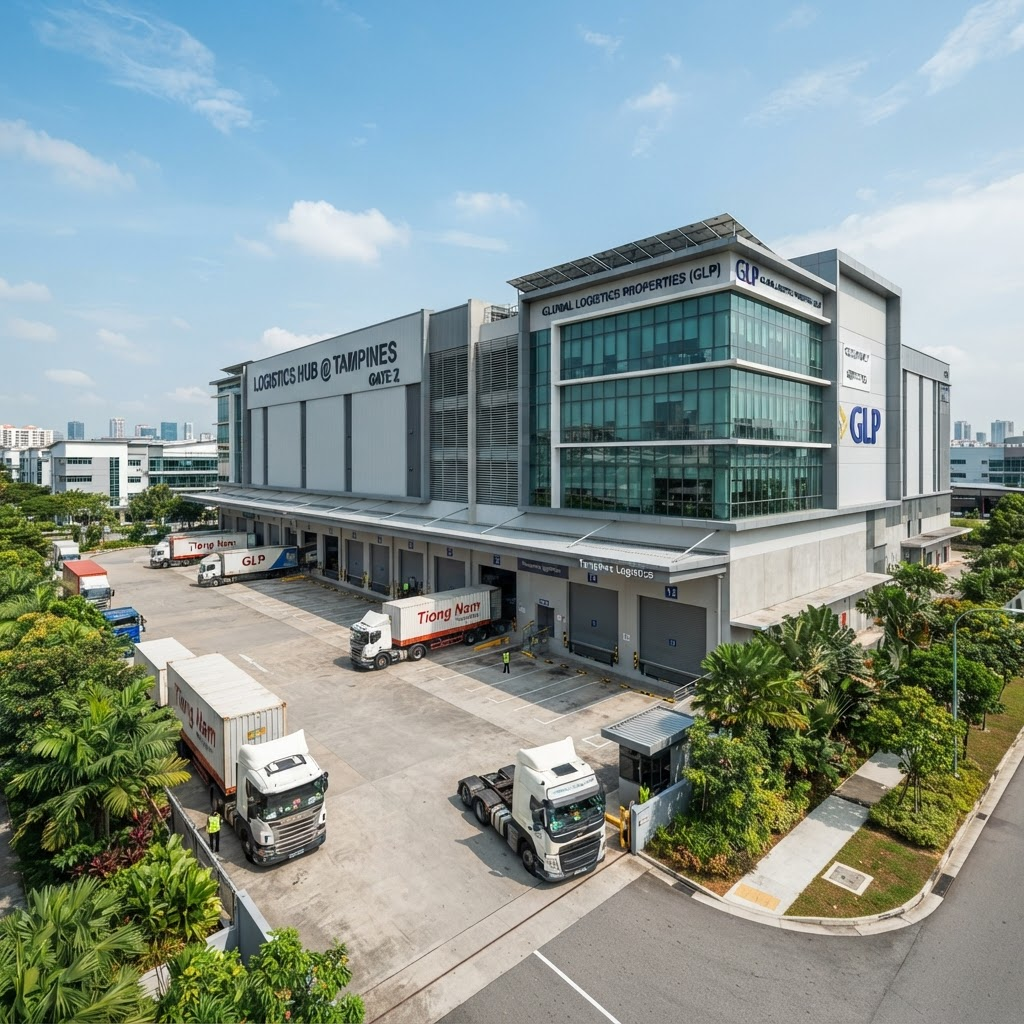
Singapore’s industrial stock is broadly split between B1 space, intended for light and clean industrial uses that can co-exist with residential neighbourhoods, and B2 space, which accommodates heavier manufacturing, workshops and uses with higher nuisance buffers.
The most common compliance issue we encounter is the 60-40 rule: at least 60 percent of the gross floor area of an industrial unit must be used for the approved industrial activity, with ancillary offices and showrooms capped at 40 percent. Businesses that are, in substance, offices cannot legitimately occupy industrial space simply because it is cheaper.
Companies whose operations involve testing labs, media production, food processing or e-commerce fulfilment should map their actual activities against the permitted-use lists before committing, since approvals from JTC or the landlord can take time and are not guaranteed.
On pricing, B2 space generally rents at a discount to B1, and both sit far below office rents. For qualifying businesses, a well-chosen industrial premises releases meaningful capital compared with commercial space — but the use-class rules must work first.

Have Questions About This Topic?
Speak with an advisor about anything covered in this article.