
Retail Leasing in Prime Districts: Rents, Incentives and Fit-Out Terms
What retail tenants should negotiate beyond headline rent — fit-out periods, turnover rent structures and lease flexibility in 2026.
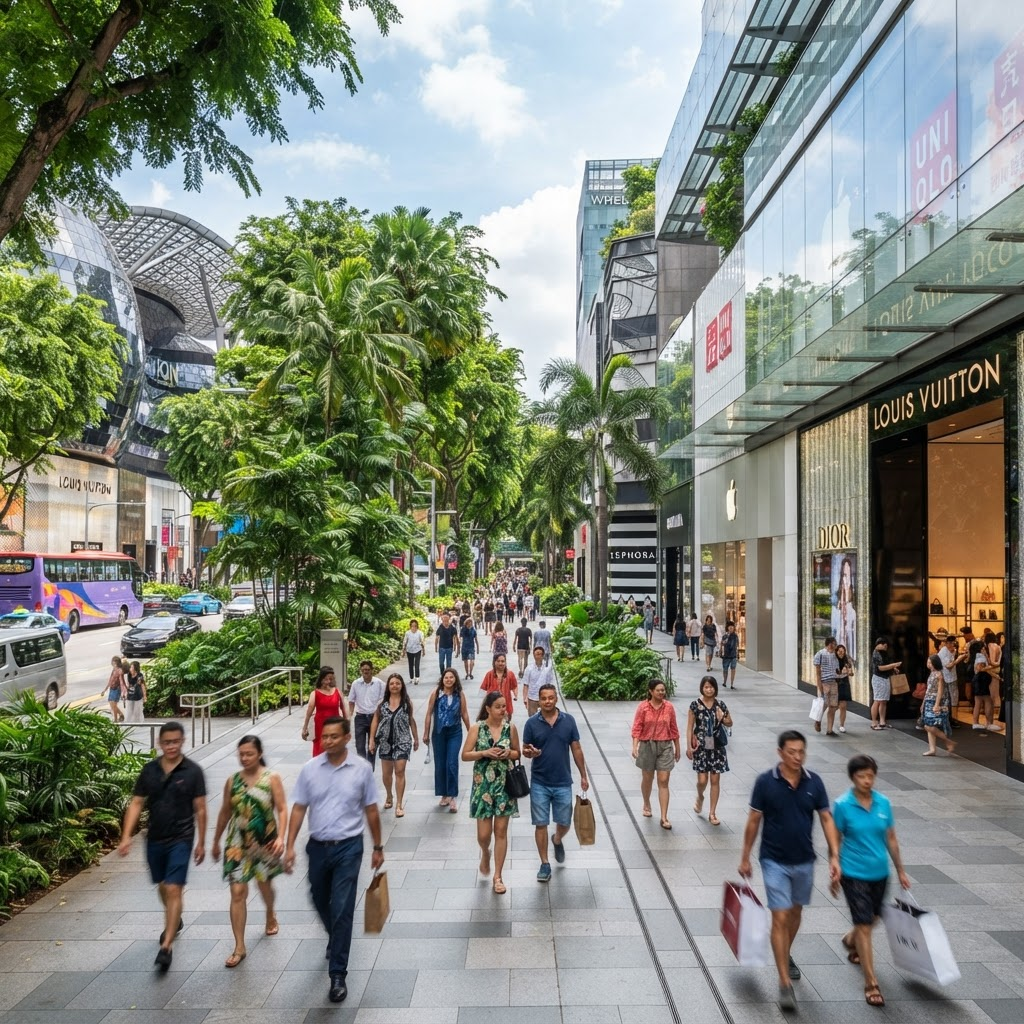
Prime retail rents along Orchard Road and in dominant suburban malls have continued their gradual recovery, supported by tourism arrivals and resilient domestic spending. Yet headline rent is only one line in a lease economics model.
Fit-out periods are highly negotiable. A tenant taking a heavily built-out F&B unit should push for a rent-free fitting period that reflects genuine construction time, and clarify early whether the landlord’s handover condition is bare shell, partially fitted or with existing fixtures.
Turnover-rent structures — a lower base rent plus a percentage of gross sales — have become more common since the pandemic and can align landlord and tenant interests, but tenants must scrutinise how gross turnover is defined, especially the treatment of delivery-platform sales and online orders fulfilled in store.
Finally, flexibility clauses deserve as much attention as price. Break options, sublet rights for a concession corner, and clearly defined reinstatement obligations at expiry frequently matter more to total occupancy cost than the last five percent of rent negotiation.

Have Questions About This Topic?
Speak with an advisor about anything covered in this article.